
Digital Evolution
Digital Evolution
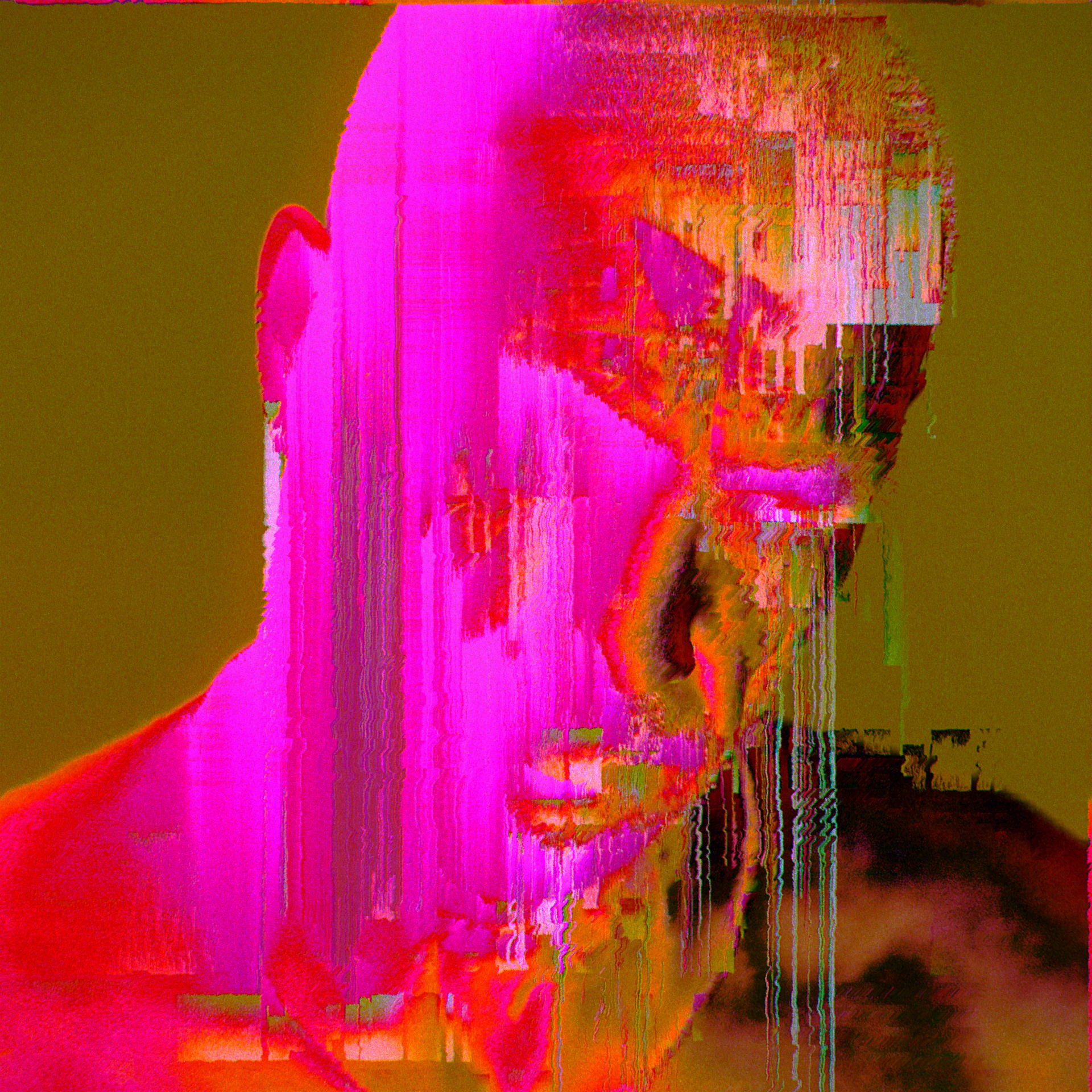
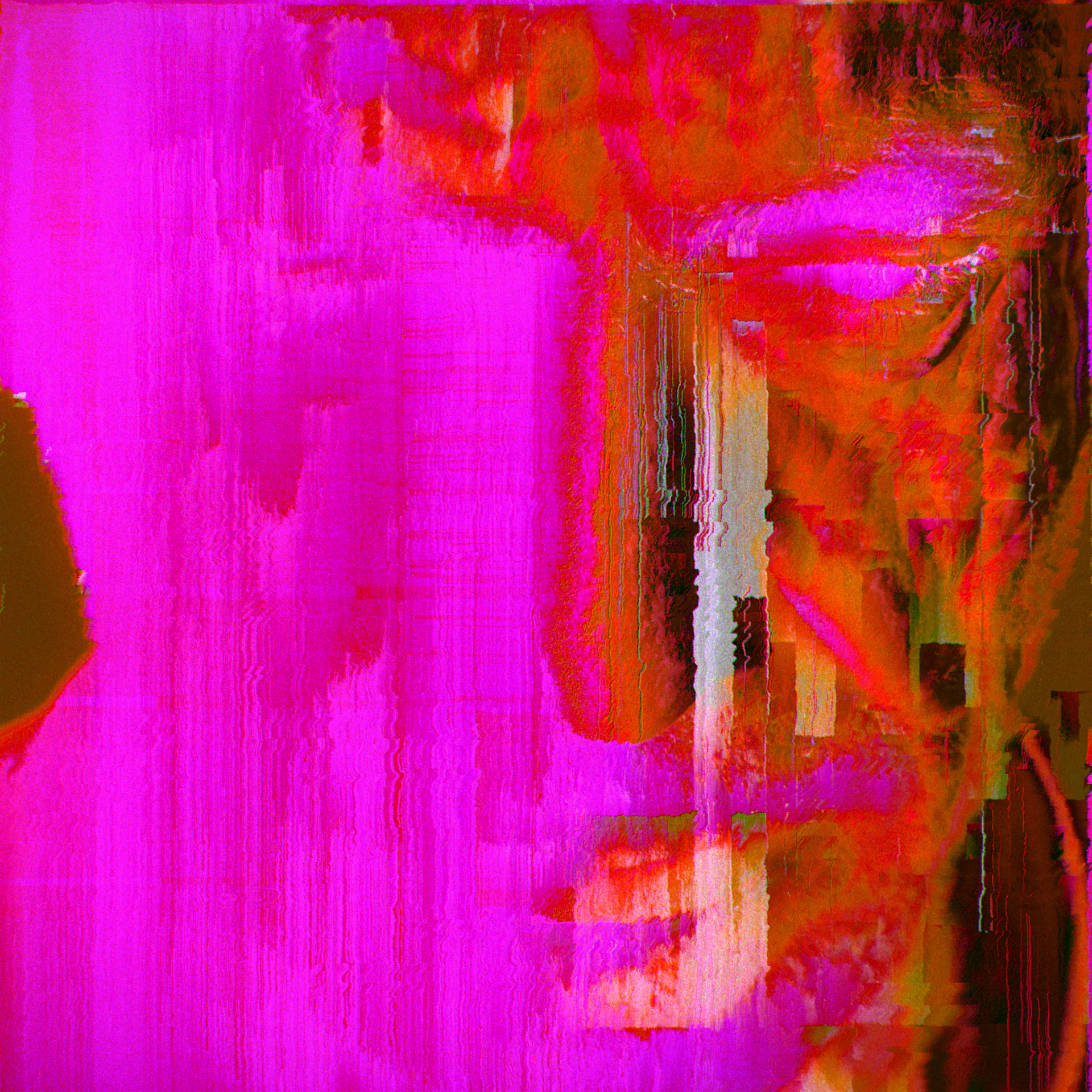
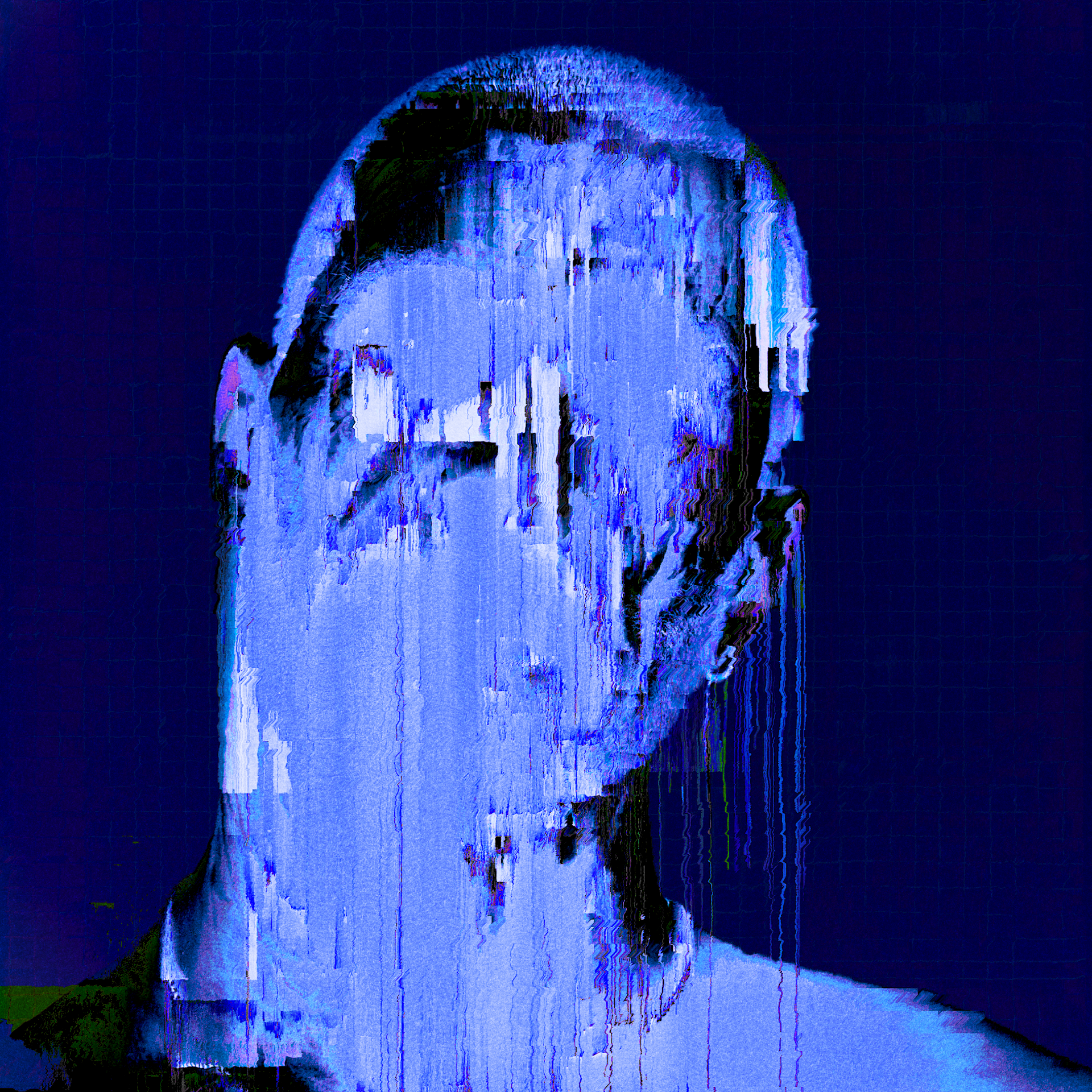
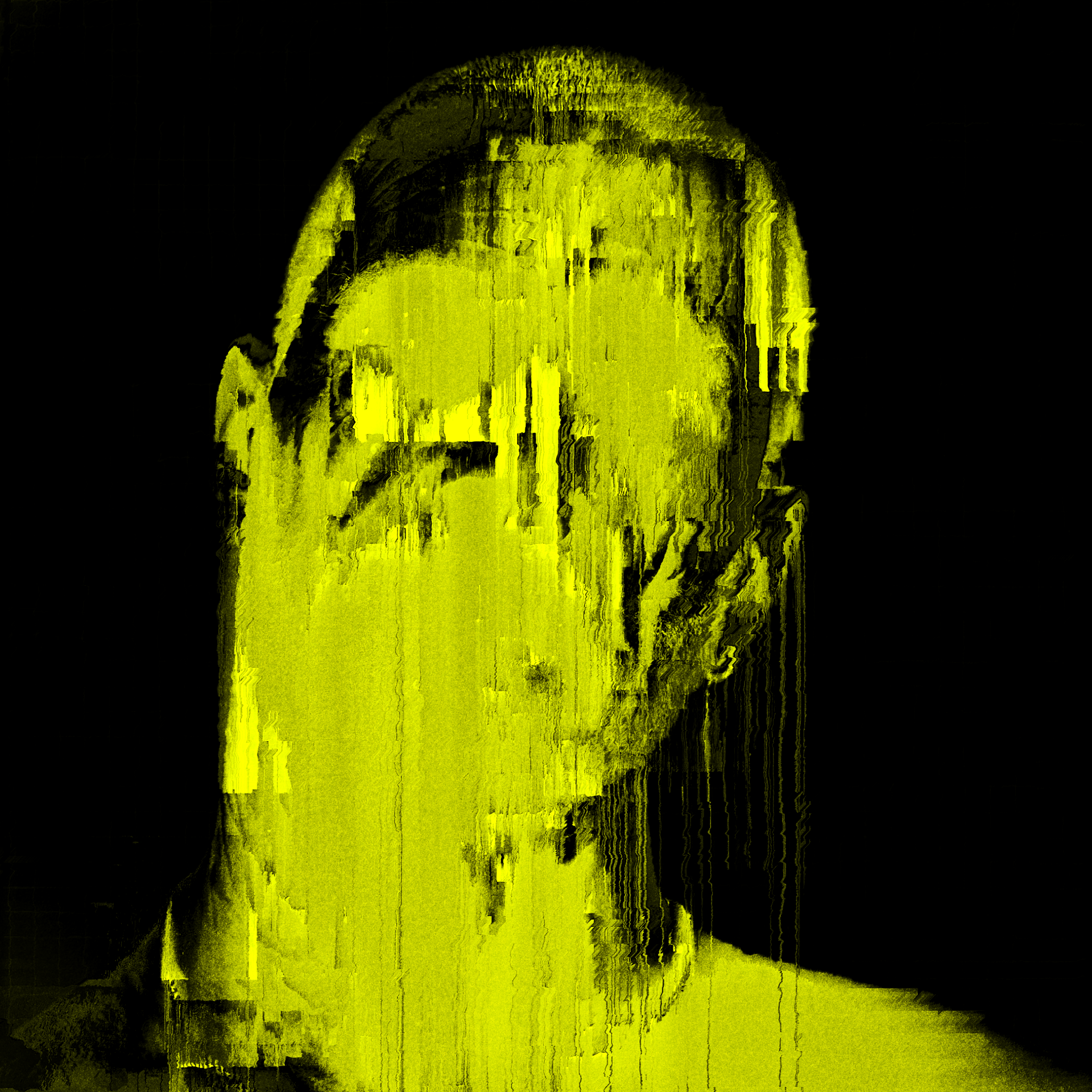
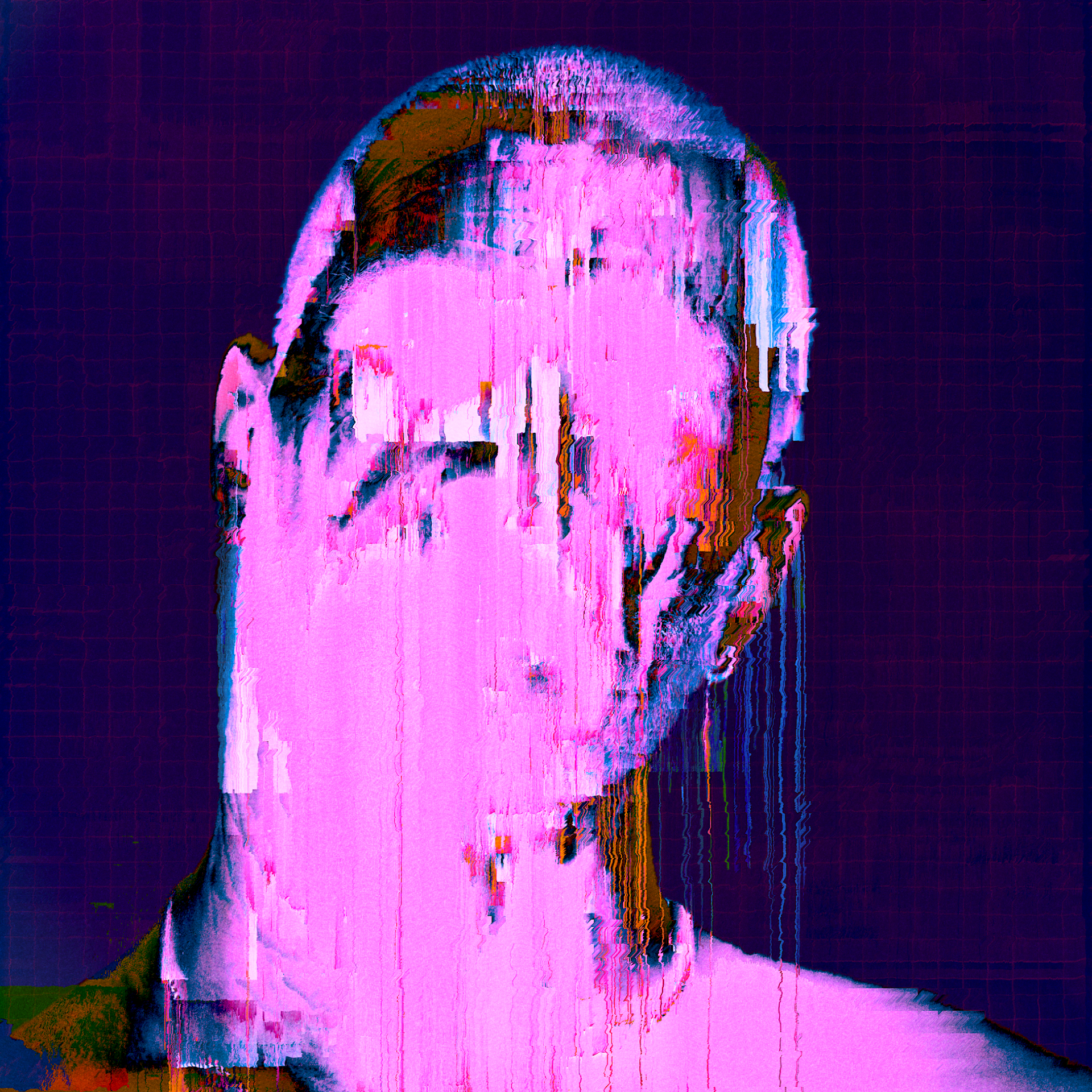
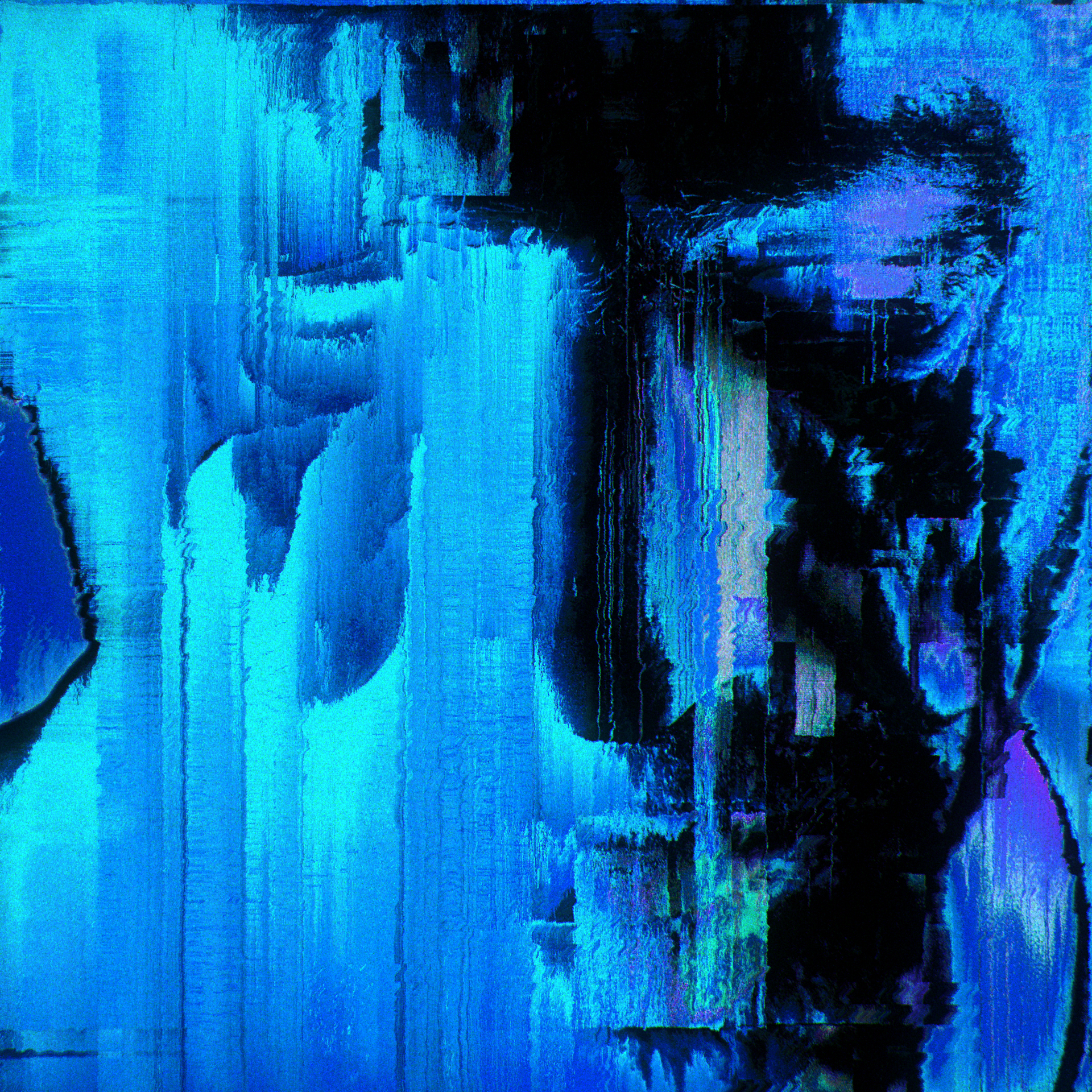
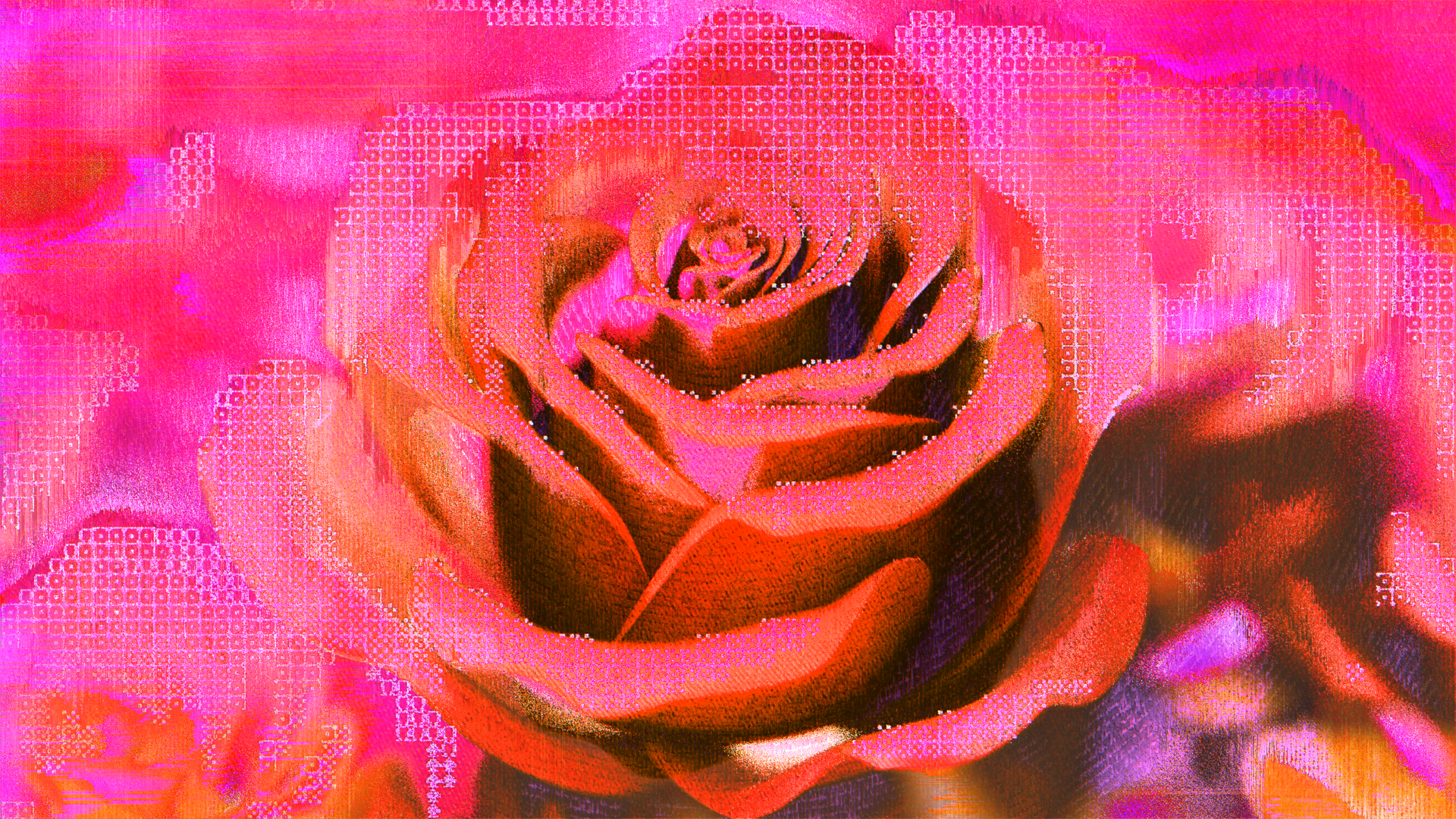
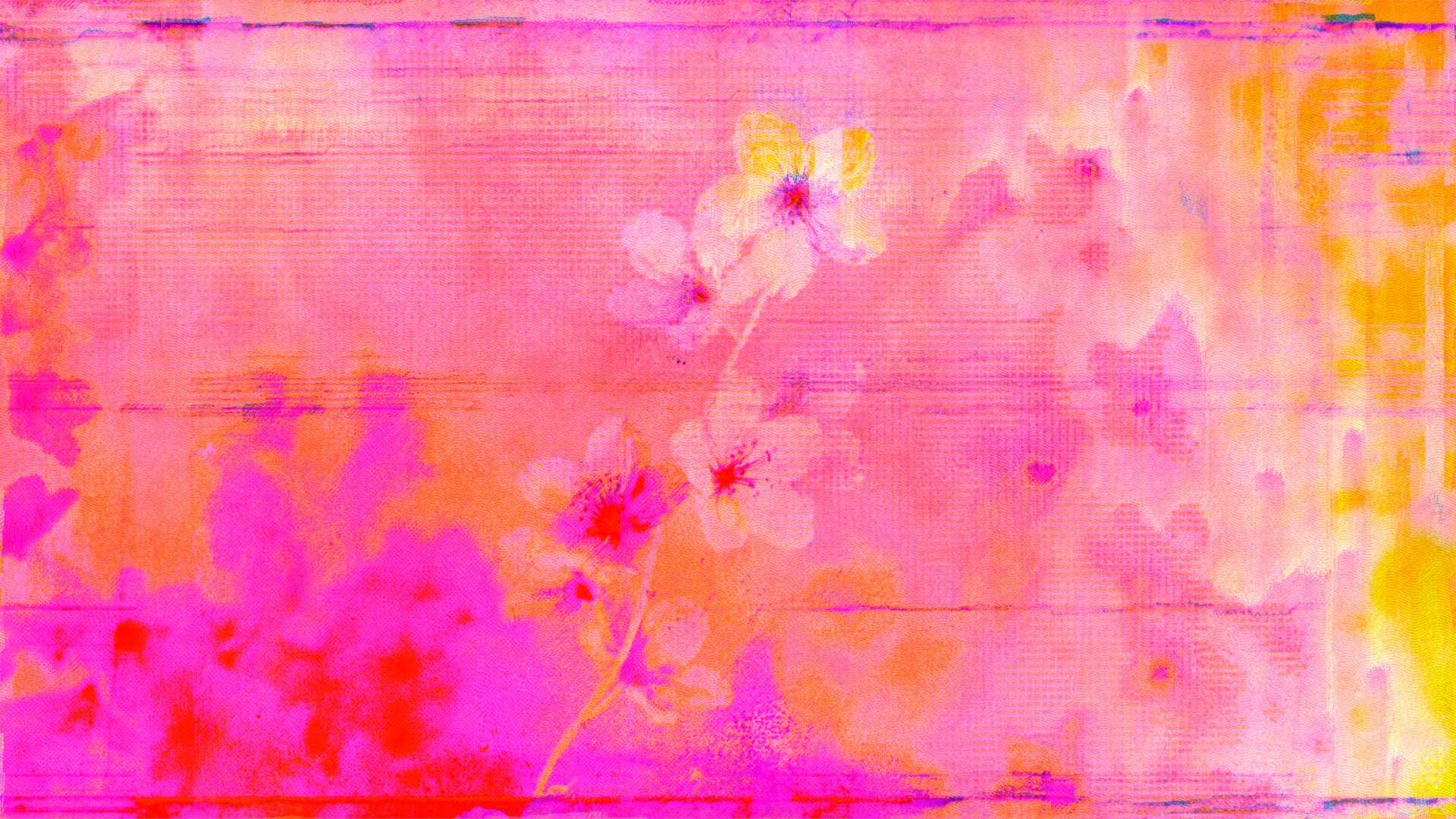
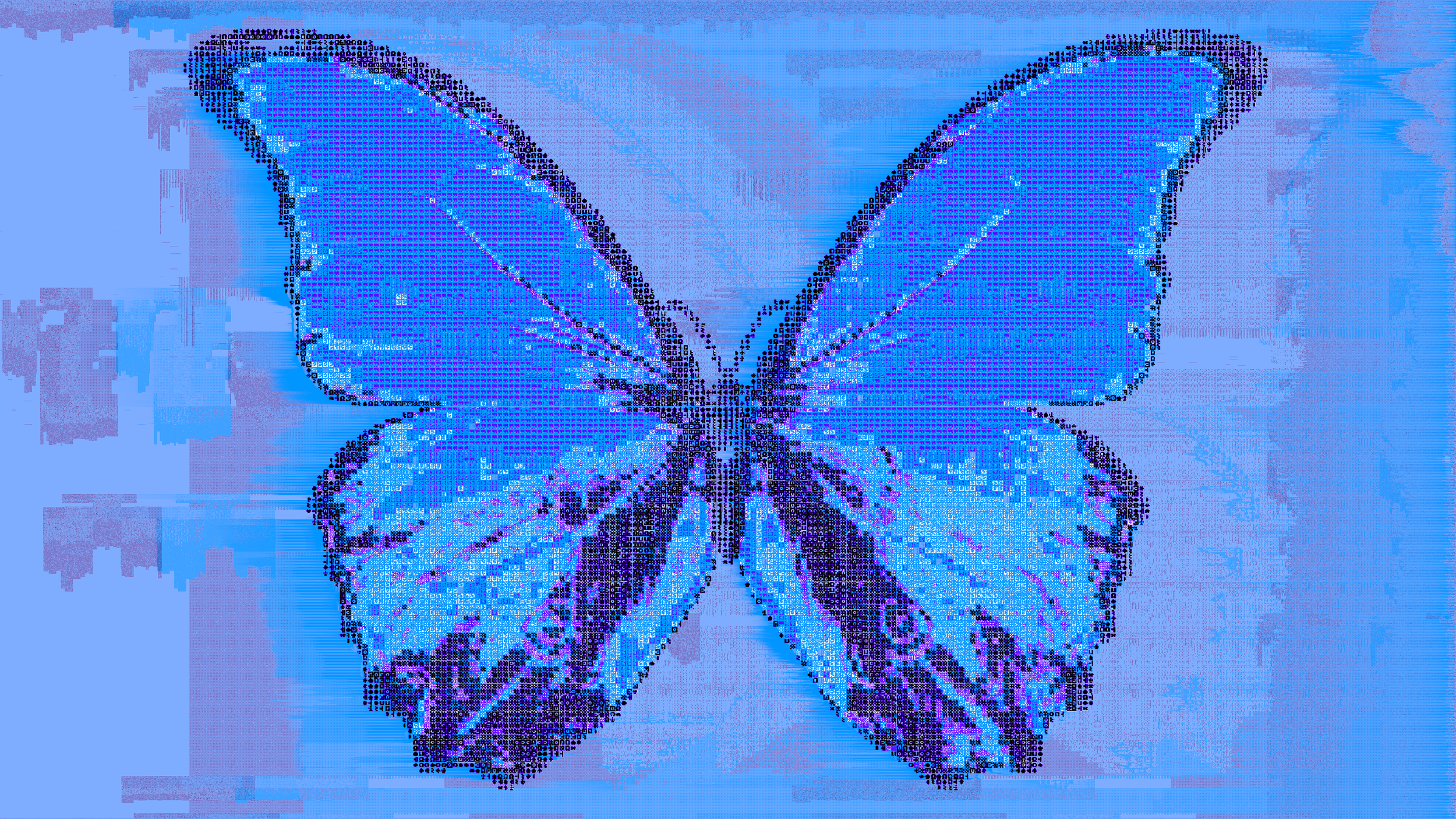
Digital Evolution is an exploration of how the digital world grows, mutates, and redefines itself over time. The project examines what happens when analog processes and digital systems collide—where human imperfection meets algorithmic precision to create something entirely new.
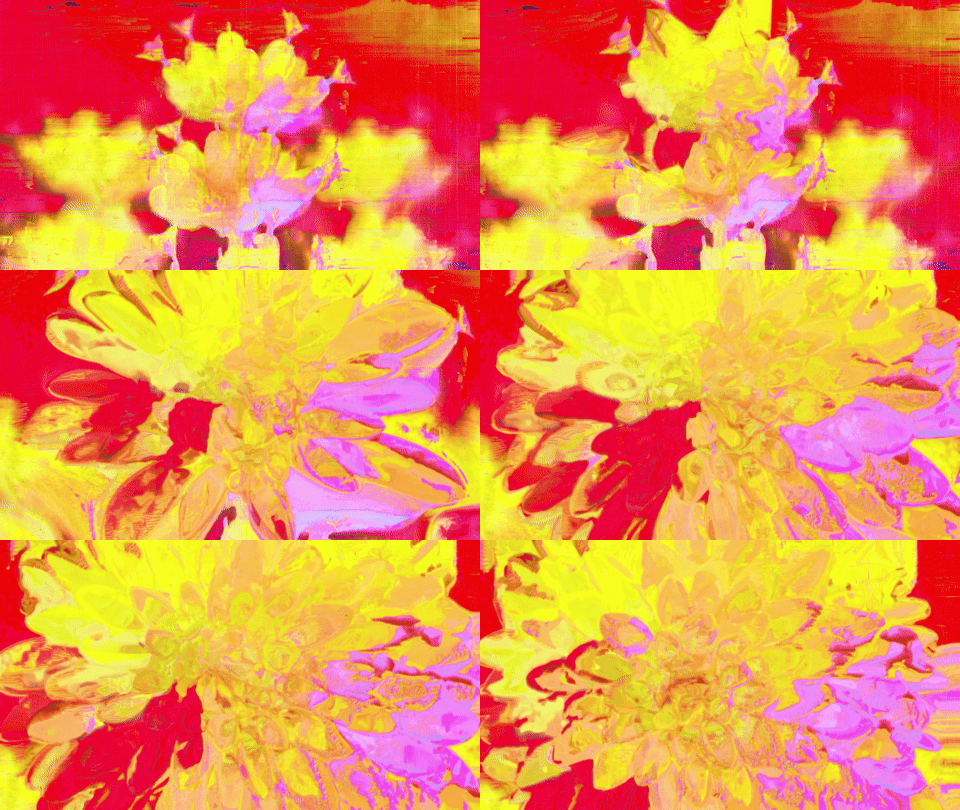
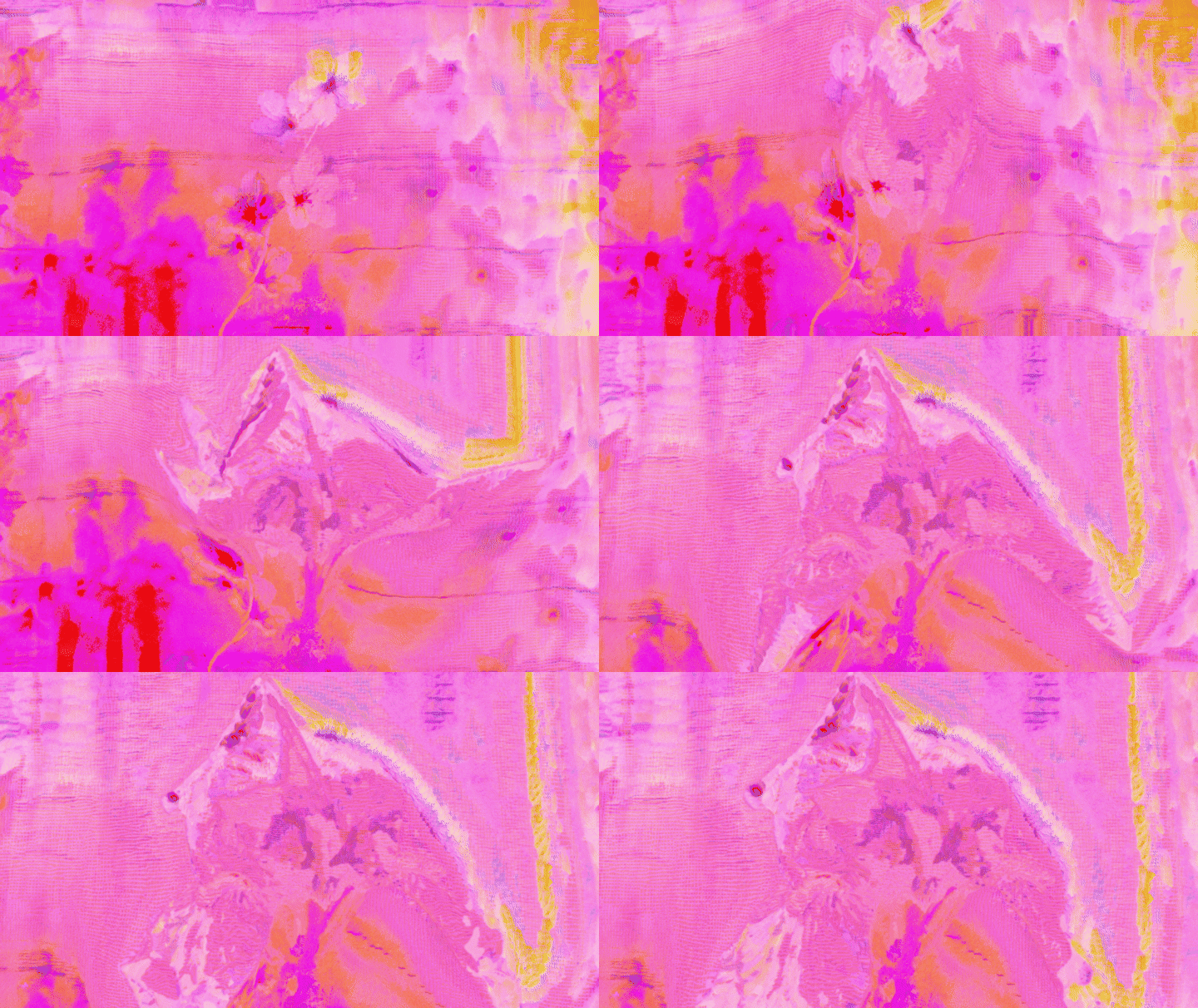
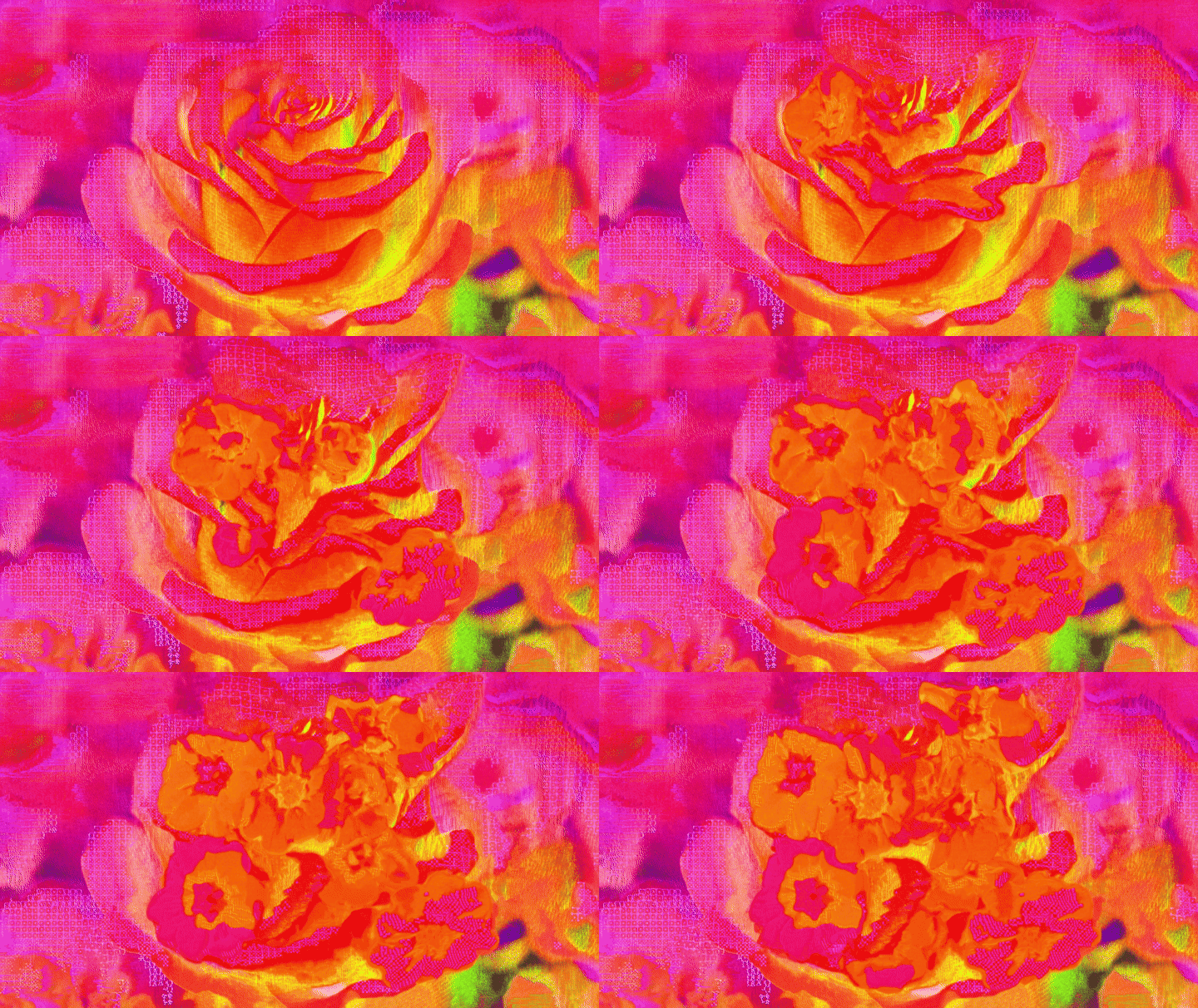
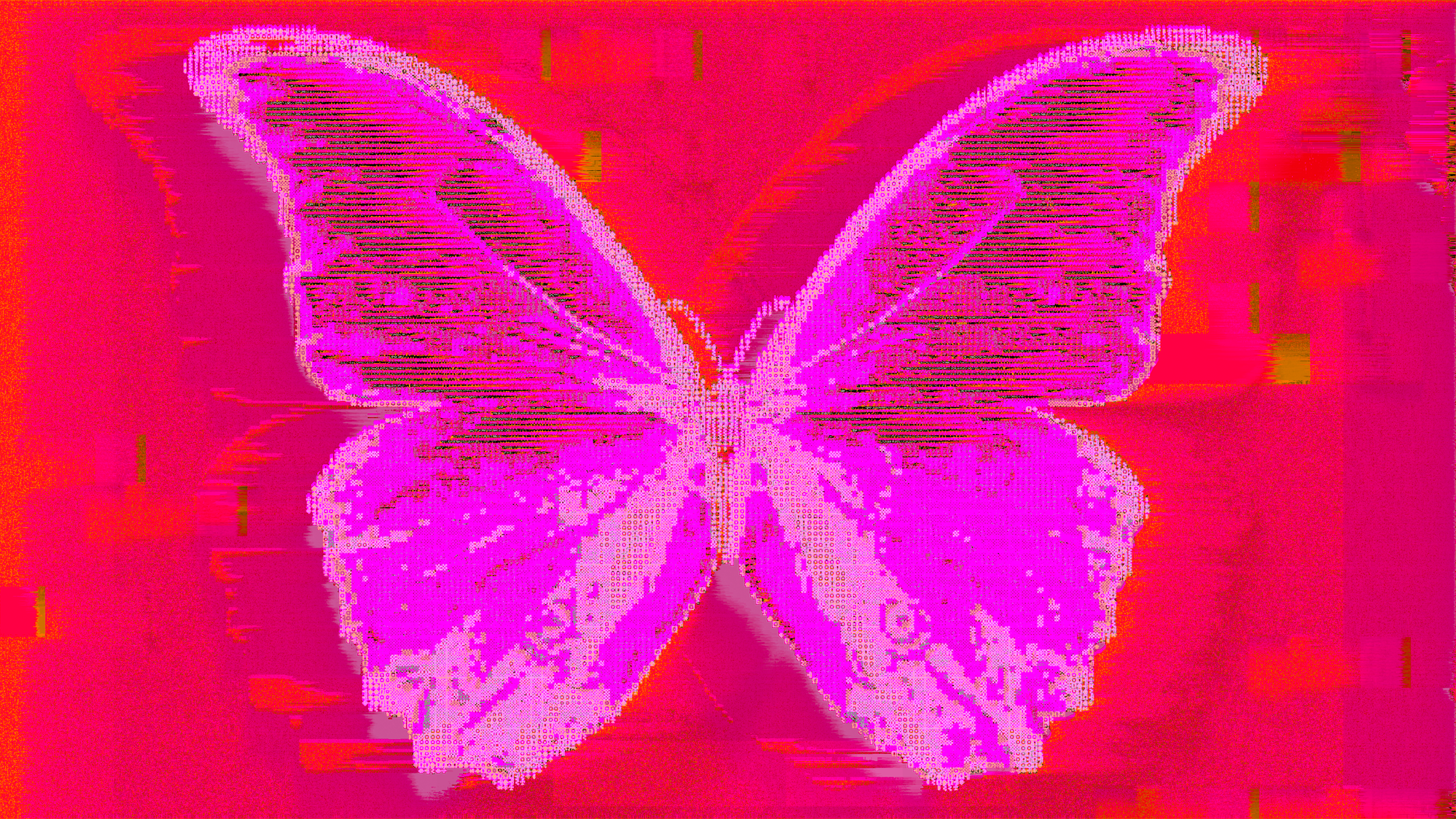
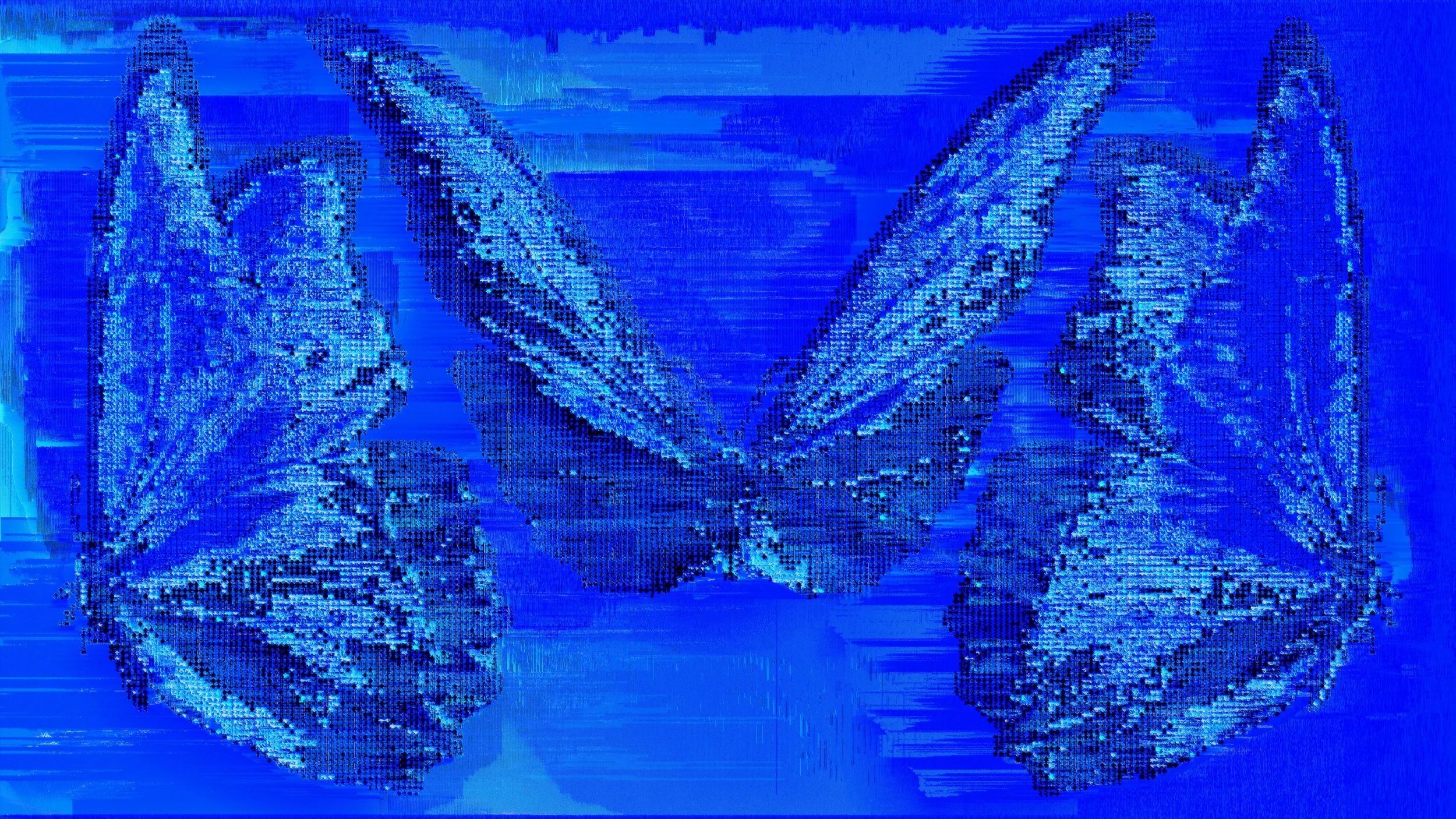
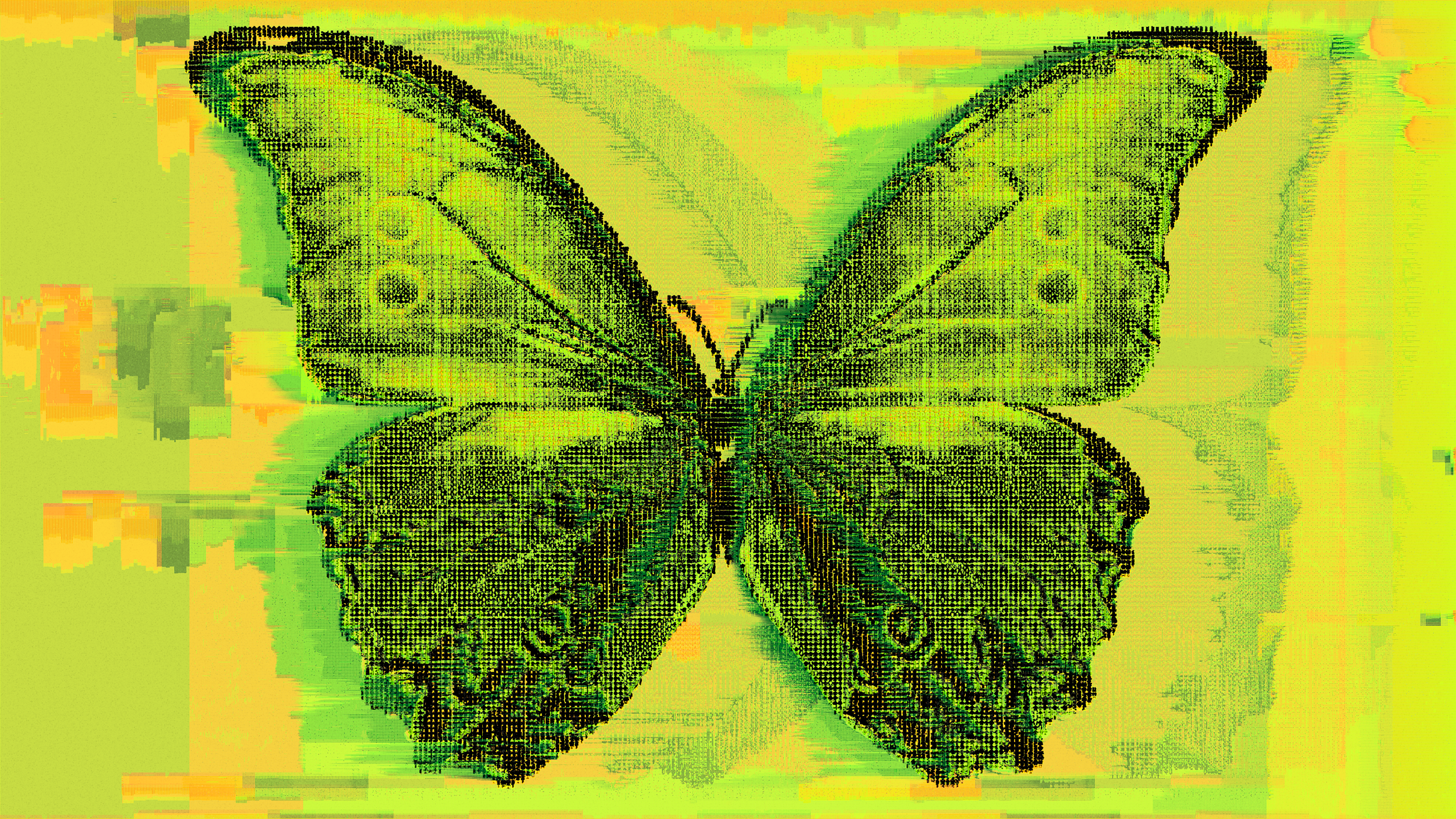
Through experimental visuals and process-driven workflows, Digital Evolution treats technology as a living system rather than a static tool. Glitches, distortions, and generative structures become evidence of transformation, capturing the tension between control and chaos, past and future, organic and synthetic.
At its core, the project reflects on evolution itself: how ideas, tools, and aesthetics continuously adapt, break, and reform in an ever-shifting digital landscape.
No generative AI was used on this project.
Choosing not to use AI was a deliberate decision. The project explores evolution through controlled systems, iteration, and experimentation—allowing complexity and emergence to develop from human input and procedural logic. This approach mirrors the collision of analog thinking and digital tools, producing outcomes that feel authored, tactile, and purposefully constructed rather than inferred.
Programs Used:
Cinema 4D, Houdini, Octane, ebsynth



Process
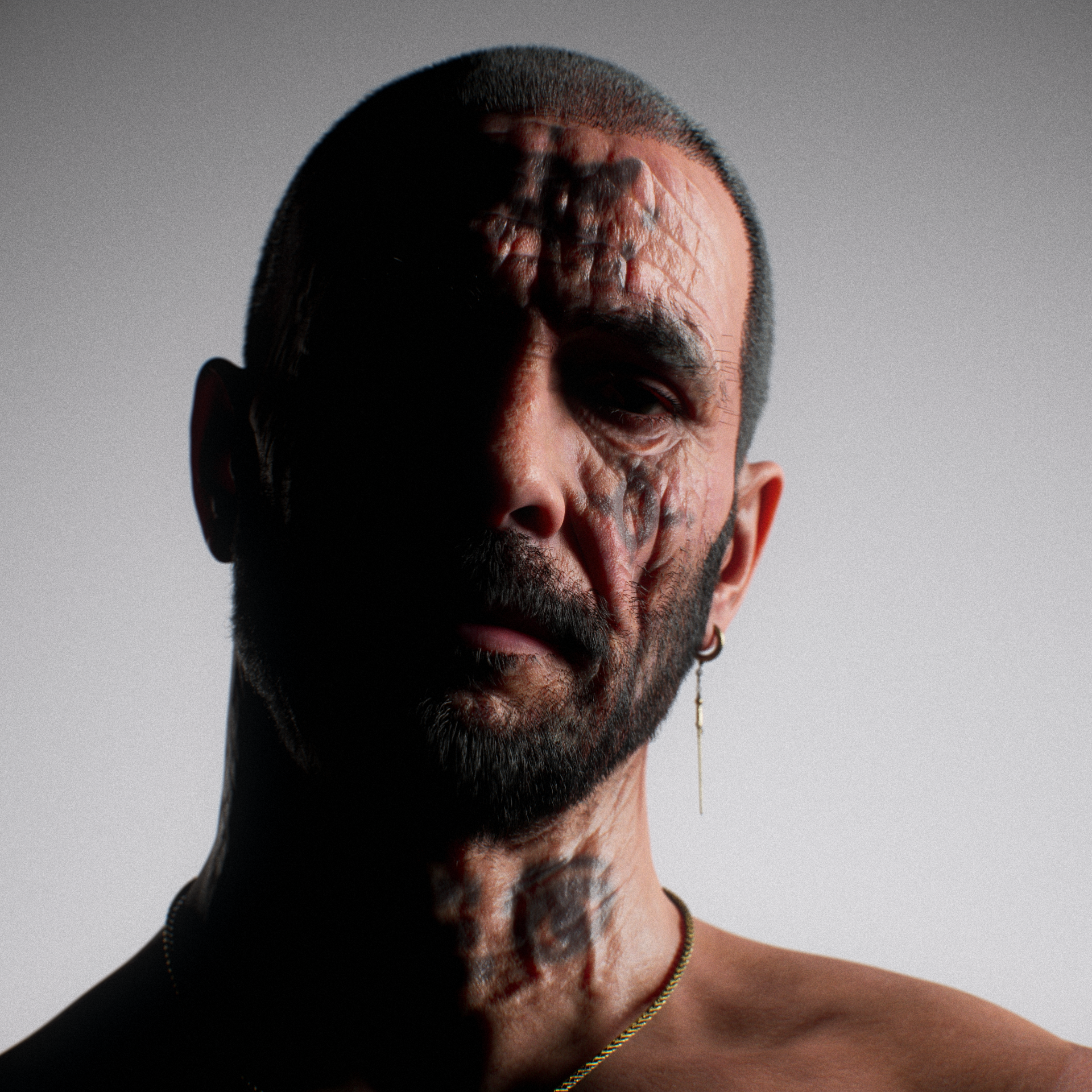
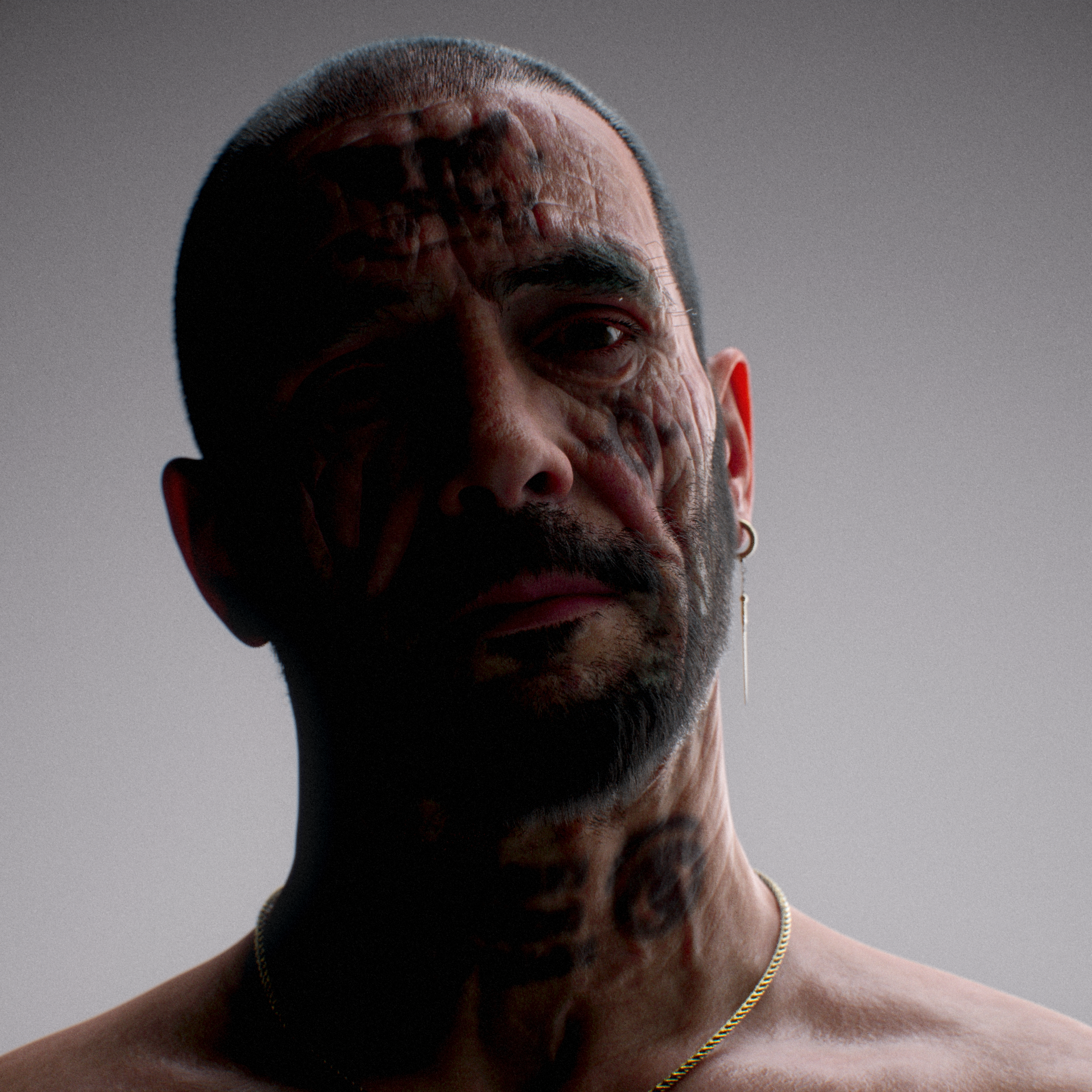
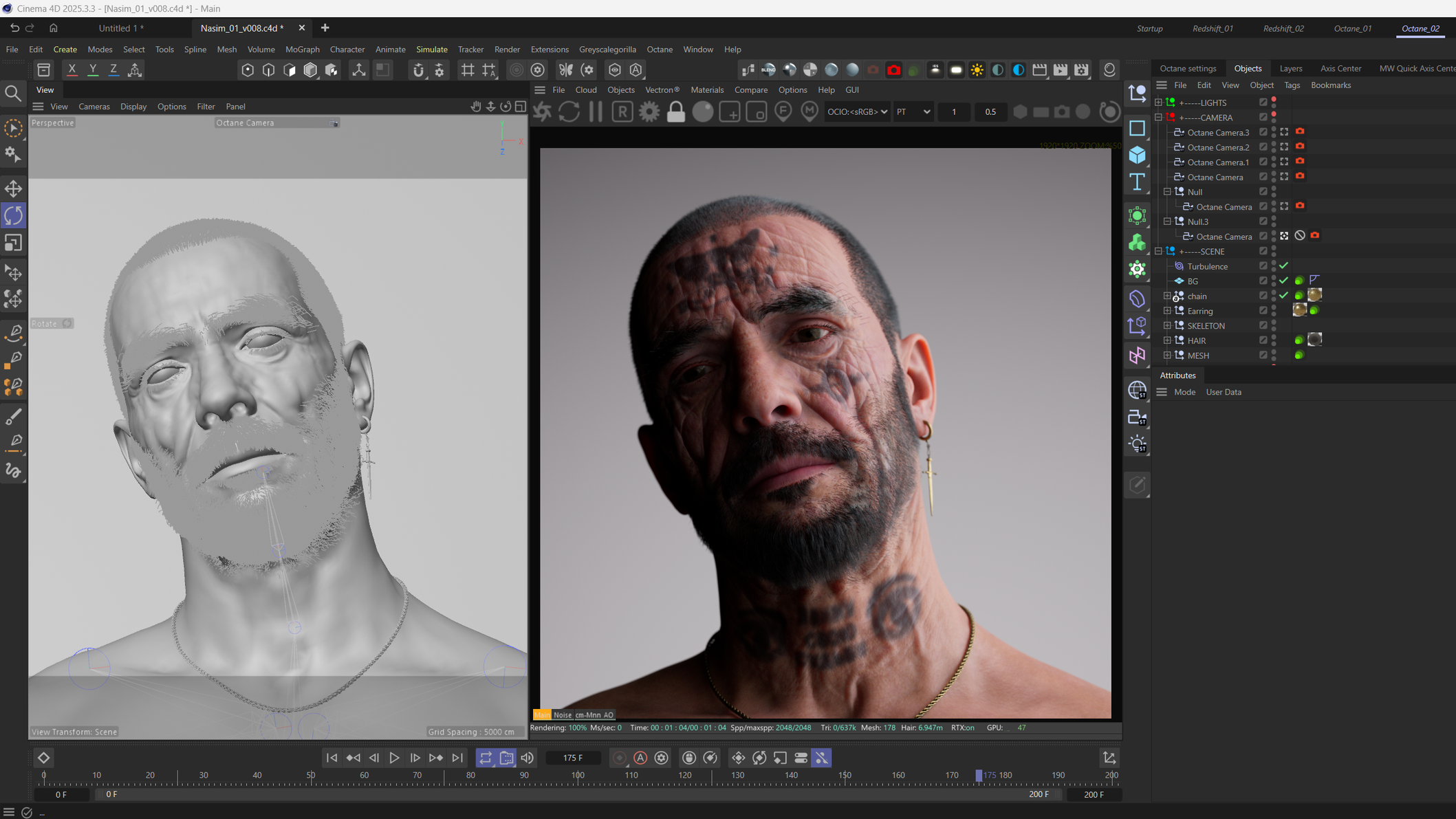
The process begins with building and rendering the base visuals in Cinema 4D, where form, lighting, and material choices are carefully constructed to define the core structure of each piece.
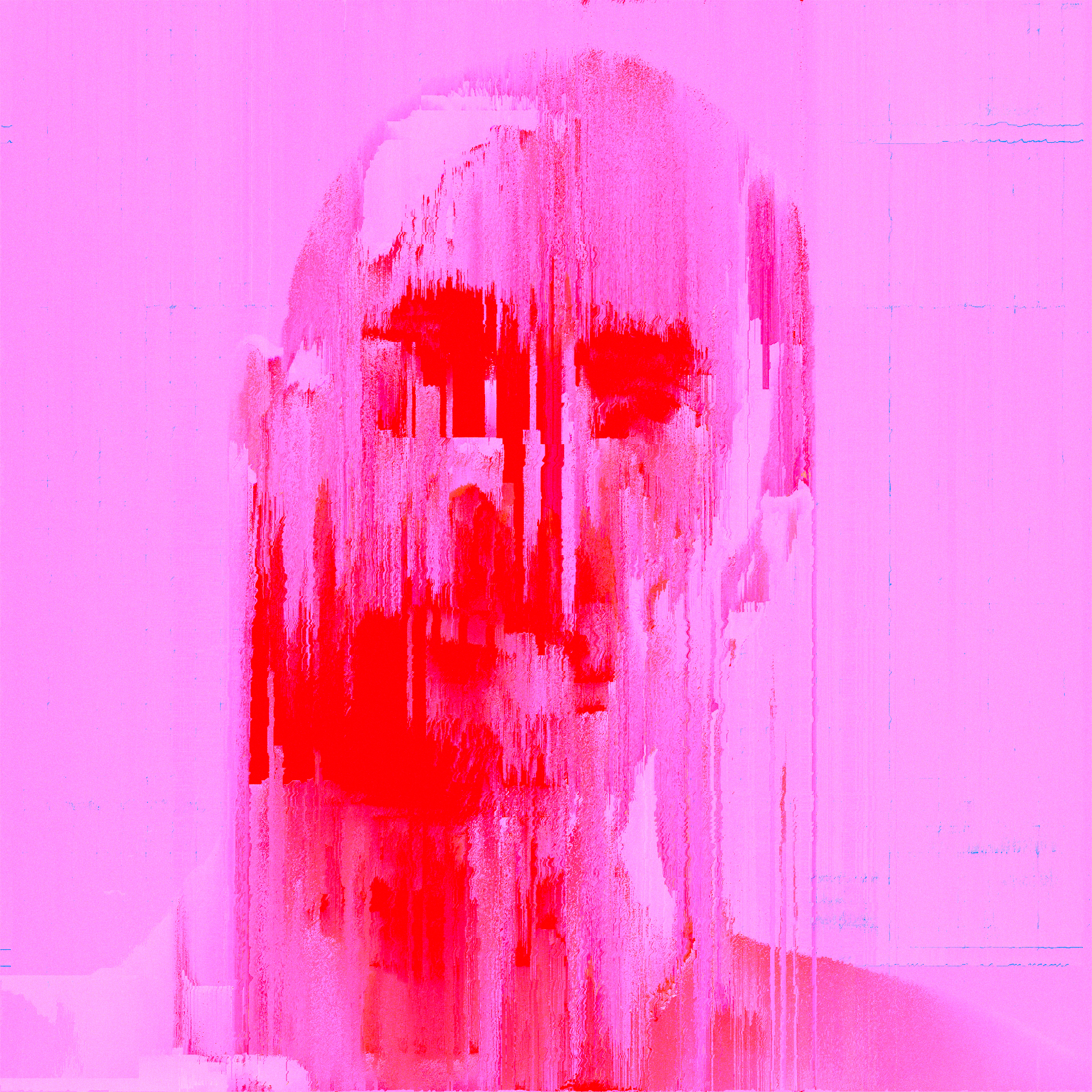
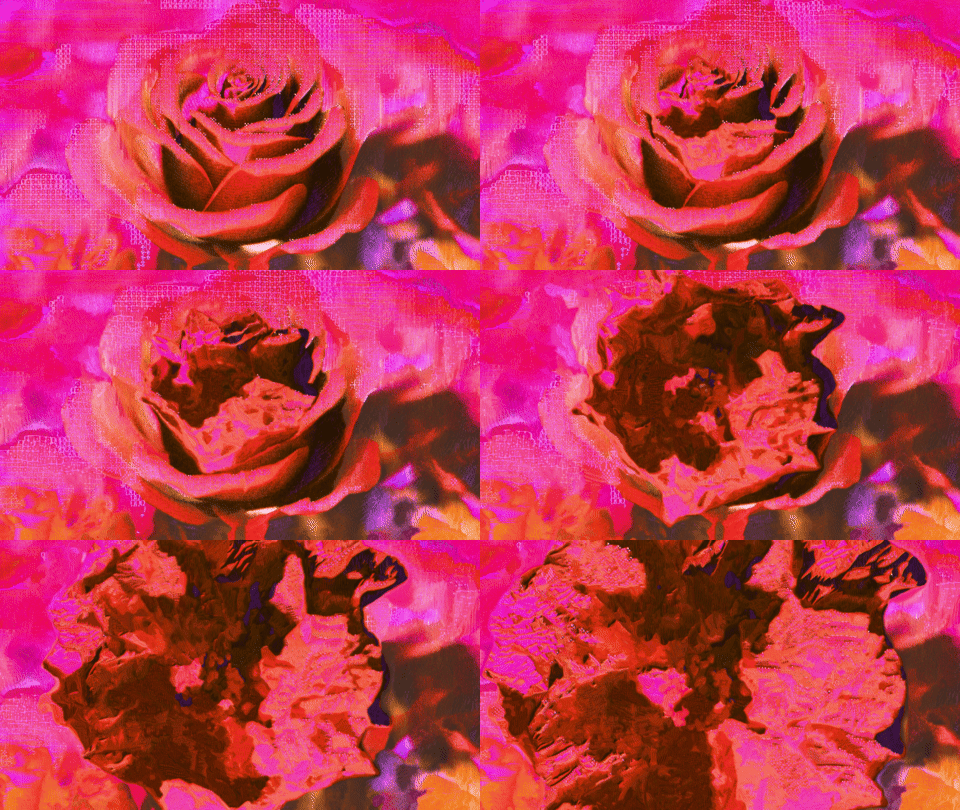
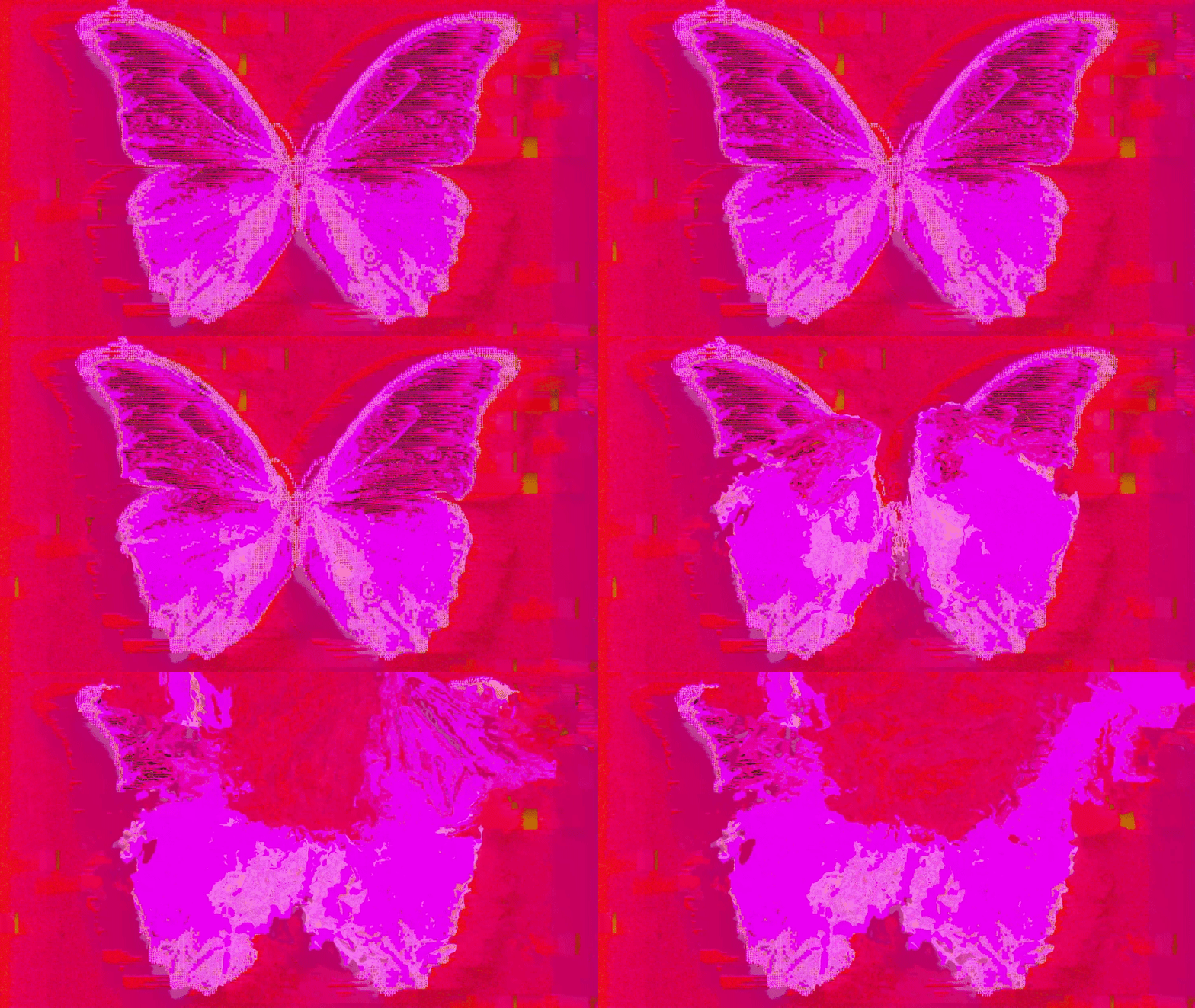
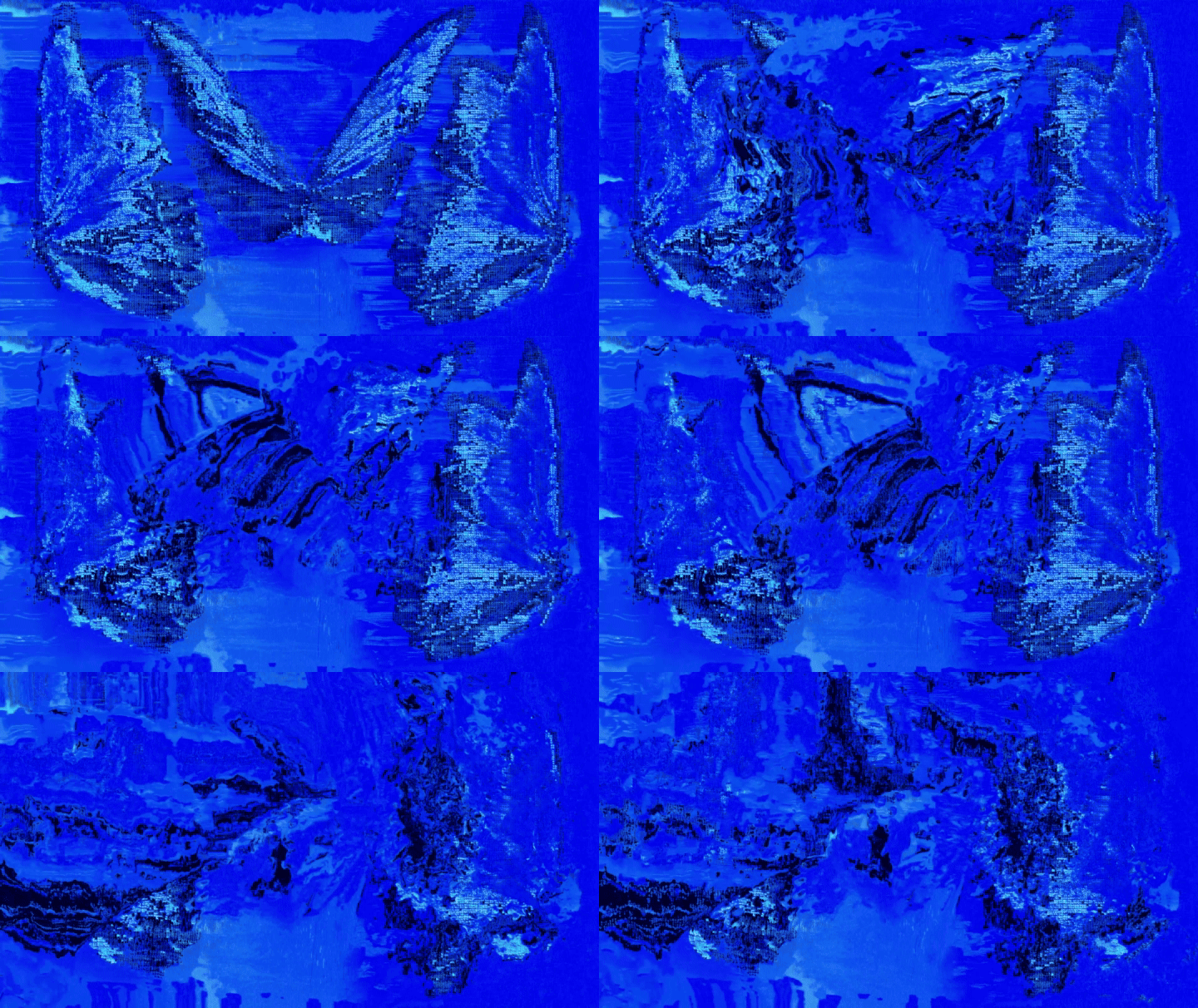
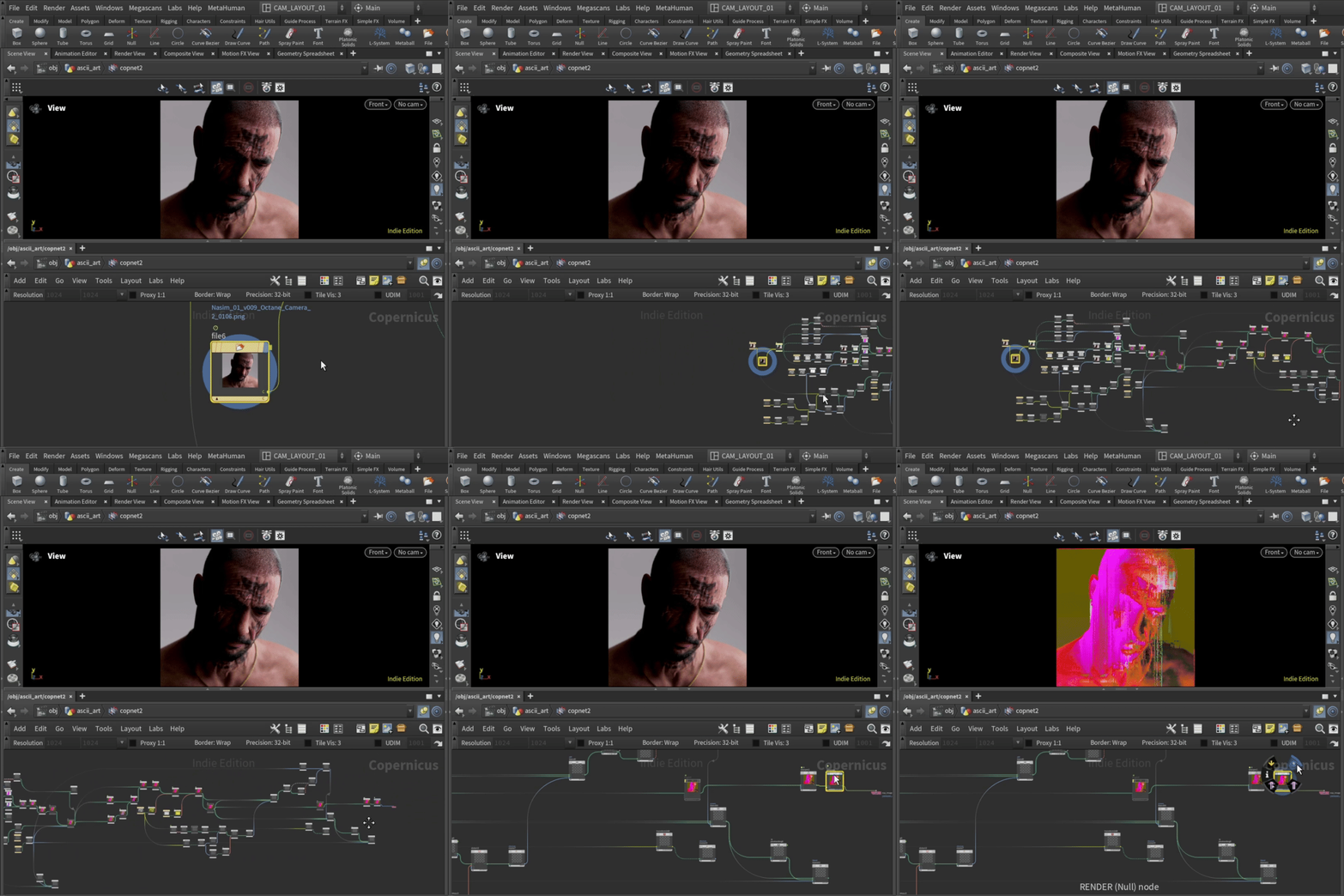
The imagery is then passed through COPs, where it’s processed, broken down, and reinterpreted. This stage introduces distortion, texture, and unpredictability, pushing the original render beyond its pristine state and allowing new visual artifacts to emerge through procedural manipulation.
For the glitchy animations the processed still frames that were created in Houdini are brought into EbSynth to generate motion. By using these stills as a keyframe to guide the animation, EbSynth propagates the visual language across time, creating fluid, evolving sequences that preserve the original texture while introducing organic movement and variation from footage that is being fed in to drive the motion.
This workflow embraces iteration and transformation, turning a single 3D render into a living, evolving digital artifact.
Credits
All aspects: Cameron Fernandes